
Original sketches for the drinking scene on the Predator movie.
- 2 Posts
- 17 Comments
Joined 3 years ago
Cake day: June 14th, 2023
You are not logged in. If you use a Fediverse account that is able to follow users, you can follow this user.

 1·2 years ago
“Published on 13 Jan 2024”
1h01m57s “ivermectin and hydroxychloroquine are very valid options”
sigh…
 81·2 years ago
A -190°C liquid nitrogen tank… how long did it take to boil off?
 3·2 years ago
according to Science in Poland.
A cross from the 15th century.
Was Poland not widely Christian by that time?
 1·2 years ago
Same content on archive .ph
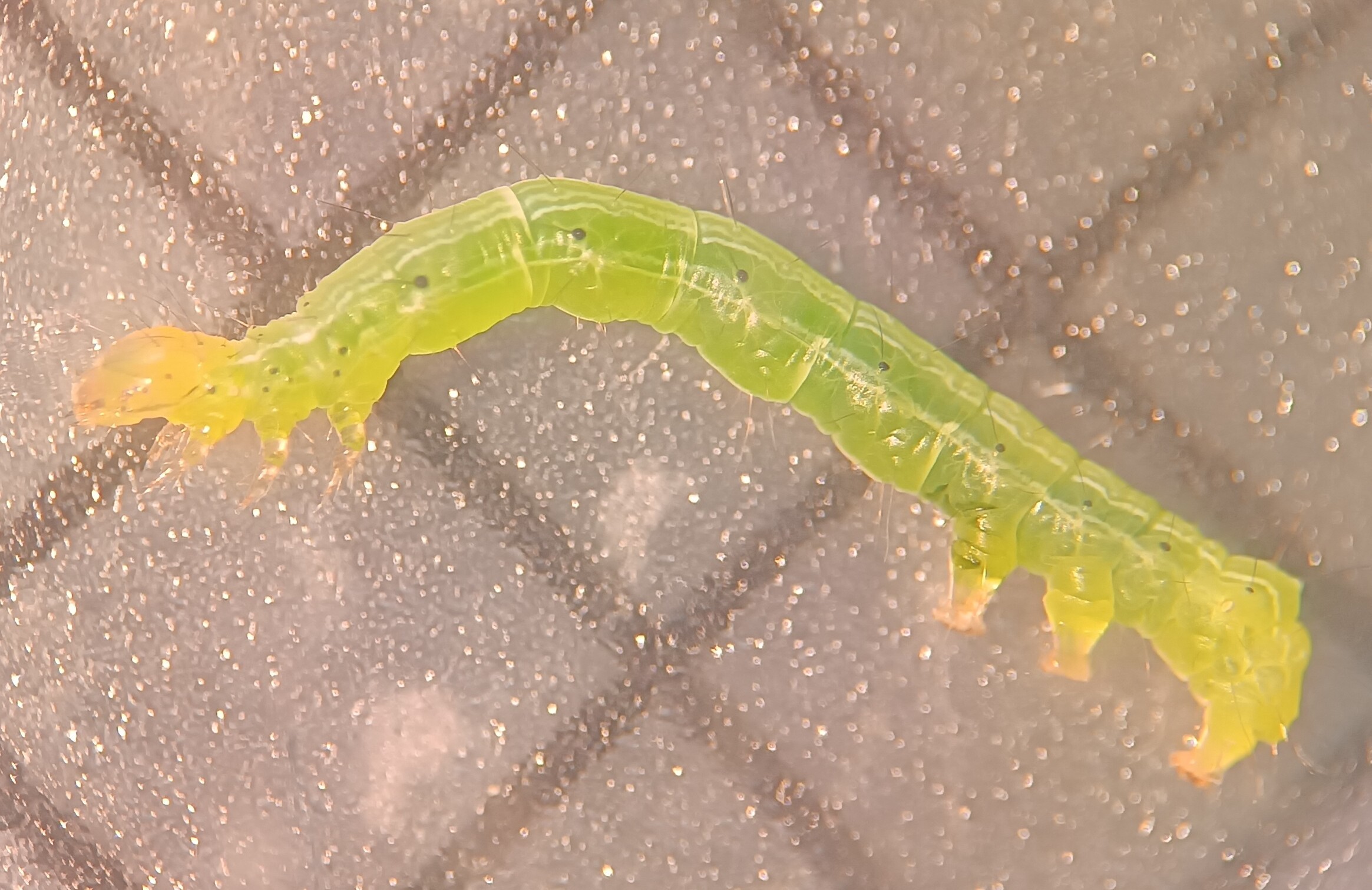
Thanks! Seems like handpicking the larvae on the first generation was not thorough enough. Now it’s a horde. Today it’s looking bleak for one of the 4 plants ':)
The consumption of leaves is astonishing.
On the positive, this has been a good science project for my 5 yo. Catching larvae and pupae, and watching the birthing moth.
We’re not eating tomatoes (from these house plants anyway) but we’re having some fun.
That Regal moth is awesome! The caterpillar too. And I think i’d surrender the tomatoe plants to them the first time I saw them around.

I believe now this is a Tomato Looper, aka Golden Twin-spot moth — Chrysodeixis chalcites.
From a 12yo reddit post with a very very similar larvae on tomato plants, somebody said it was a cabbage looper (wiki).
But after chancing a search for “tomato looper” I finally found a different species with a very very similar larvae and from there a name and good photo for the moth, Golden Twin-spot.
Now to find how to save the plants!..
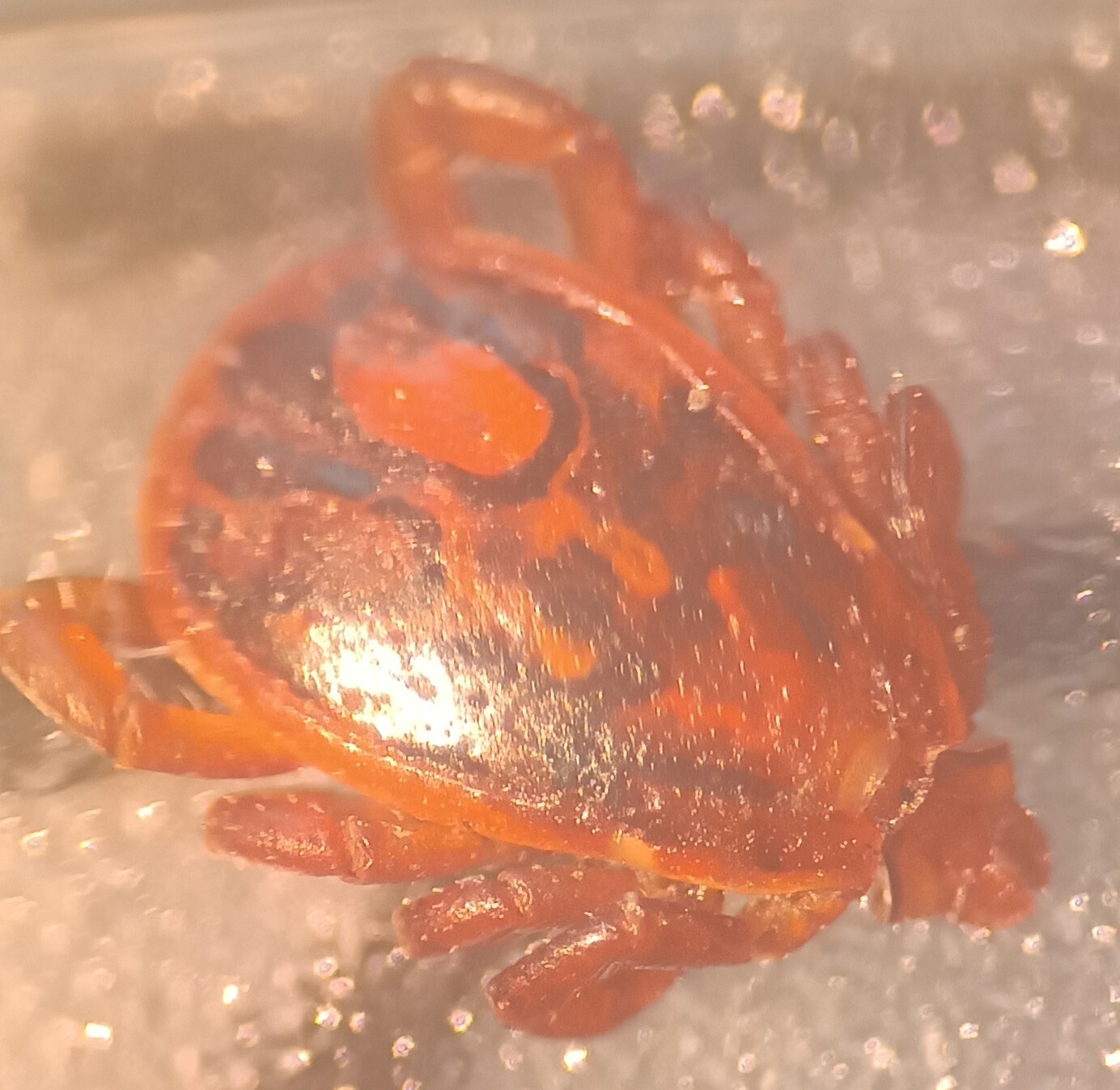
Thanks! Had seen that paper once you guys pointed me to R. sanguineus and I had a chance to shower the kid.
I also found this site useful for ticks anatomy, on TicksSafety.com.

Would be lovely, but the butterfly/moth is quite a bit less colourful.
Visible eyes? Capitulum? Would not know where to look for that. Is there any online resource where I can learn on that?
If I let them grow, I’m sure I can send you a good bag. XD
My veggies garden is in the litoral north of Portugal.
Google searches point to that one alone. And the photos do not suggest a lot of shape variability.
But I’m not convinced because the ones I have (1) do not grow a ‘horn’, (2) the Nr of legs don’t seem to match: also they don’t grow as chubby and no line markings.
Strongly on favour of your suggestion… the larvae my tomato plant has, they do glow under UV light.
Thanks for your answers and perspective, trully. Even if none of us have changed their opinion.
I see adjectivation and categorization as parts of reasoning. I think you used a red herring in order to have a strong opinion about it. With the same cheakyness, I’ll quote yourself
I can’t say whether this is an important issue, because I don’t have any experience in this area.
I take issue
You feel free to use expressions and terms as “rub me the wrong way”, “buzzwords”, and “clickbait”. In those cases you are okay with the listener/reader interpreting the implicit meaning over their explicit wording. Why is “forever chemicals” different? Specially in an informal communication setting.
What would you consider as okay to mention as ‘forever chemicals’?
Great summary, thanks!
Despite the great images of IO the linked article comes with this mud pearl “[University of Arizona’s Large Binocular Telescope] With two primary mirrors measuring 8.4 m (~27.5 ft), it has a collecting area slightly greater than that of a 30-meter (98.4 ft) telescope.”